
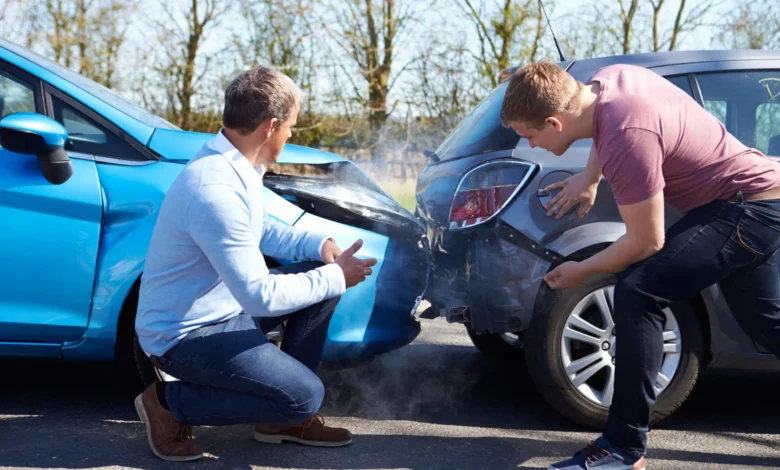
Rideshare services have become an everyday convenience across Dallas. From quick trips to the airport to late-night rides home, Uber and Lyft vehicles operate throughout the city at all hours. But when a rideshare trip ends in a collision, victims often face a claims process that is far more complex than a standard car accident.
Because these cases involve app-based driver activity, corporate insurance policies, and multiple potential sources of liability, even small details can significantly impact the outcome. A Dallas Rideshare Accident Attorney can help identify and protect the key elements that strengthen your case.
Why Small Details Matter in Rideshare Cases
In traditional auto accidents, fault and insurance coverage are usually straightforward. In rideshare collisions, however, the driver’s app status at the exact moment of impact can determine which insurance policy applies.
Coverage generally depends on whether:
- The driver had the app turned off
- The driver was logged in but waiting for a request
- The ride had been accepted
- A passenger was actively being transported
A difference of minutes can change the coverage limits available for your claim.
Digital Evidence That Can Make a Difference
Rideshare accident claims often depend on electronic records. Important pieces of evidence may include:
- Ride confirmation timestamps
- GPS tracking data
- Driver login and logout history
- Communication through the rideshare app
These records can help establish liability and determine which insurer is responsible. Because digital data may not be stored indefinitely, acting quickly is often crucial.
Common Accident Scenarios Involving Rideshare Drivers
Dallas traffic conditions create several risks that frequently appear in rideshare claims:
- Rear-end collisions in congested areas
- Sudden stops in busy pickup zones
- Distracted driving from navigation apps
- Fatigue from extended driving hours
- Aggressive lane changes on highways
High-demand areas such as Downtown and near major event venues often see increased rideshare-related accidents.
Injuries That May Develop Over Time
Some rideshare accident injuries do not present symptoms immediately. Victims may initially feel fine but later experience:
- Neck and back pain
- Headaches or concussions
- Soft tissue damage
- Internal injuries
- Emotional distress
Seeking medical evaluation promptly can protect both your health and your legal claim.
What Compensation May Include
Depending on the circumstances, a rideshare accident claim may seek compensation for:
- Emergency medical treatment
- Ongoing rehabilitation
- Lost wages
- Reduced earning capacity
- Property damage
- Pain and suffering
Accurately calculating damages requires evaluating both immediate expenses and long-term consequences.
The Advantage of Early Legal Involvement
Insurance companies may attempt to minimize payouts by disputing driver status or shifting blame. A Dallas Rideshare Accident Attorney can:
- Preserve digital ride data
- Investigate all potential sources of liability
- Communicate with multiple insurers
- Negotiate fair compensation
- Pursue litigation when necessary
Early legal action can prevent critical evidence from being lost and strengthen your position during negotiations.
Texas Filing Deadlines
Texas law limits the amount of time you have to file a personal injury claim. Missing this deadline may permanently bar recovery. Acting promptly ensures your claim remains within the required timeframe.
Protecting Your Financial Future After a Rideshare Crash
Rideshare services offer convenience throughout Dallas, but accidents can leave victims facing unexpected medical bills and lost income. Understanding how app activity, insurance coverage, and liability intersect is essential to protecting your rights.
If you have been injured in a rideshare accident, consulting a knowledgeable Dallas Rideshare Accident Attorney can help you pursue fair compensation and move forward with confidence.